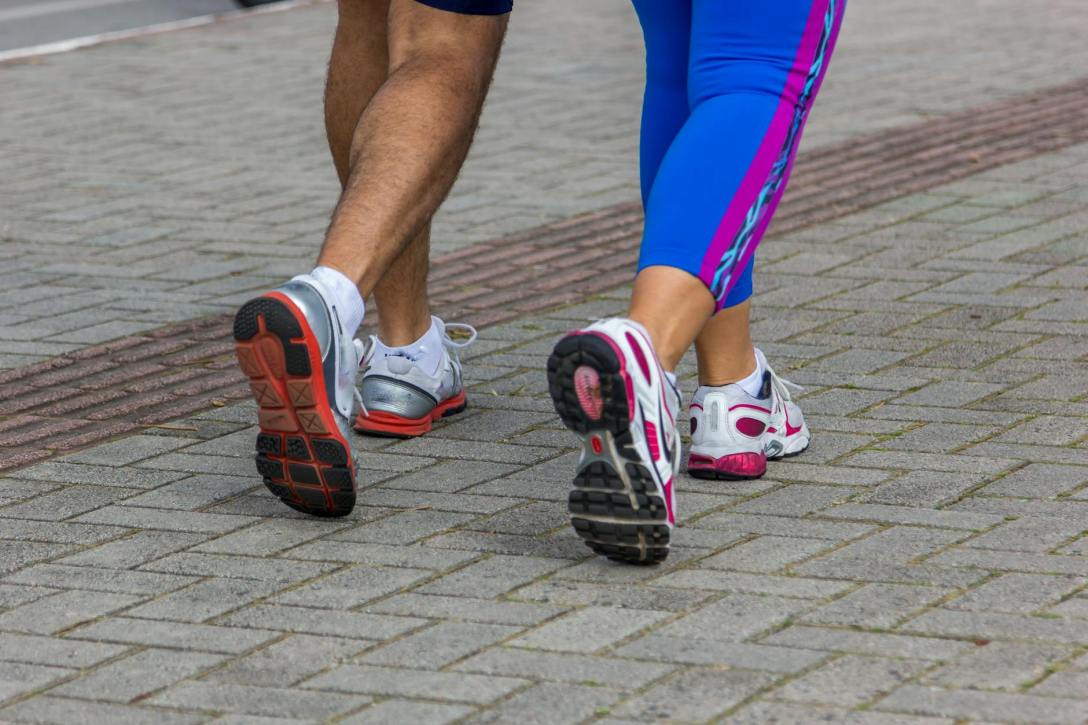
Walking

Walking

Walking is a simple act, yet it carries many benefits that gradually reveal themselves through regular practice. By walking, the body is kept awake and responsive. Strength develops without harshness, endurance grows without strain, and the body becomes capable of traveling long distances with ease. The joints are nourished through movement, stiffness softens, and balance improves, helping the body remain steady and upright over time. Through walking, the body learns how to support itself naturally.

Walking also encourages healthy circulation and breath. As the feet meet the ground again and again, blood and oxygen move freely throughout the body, warming the limbs and refreshing the organs. The breath deepens and settles into a natural rhythm, neither forced nor shallow. This harmony between movement and breathing restores vitality and gently lifts fatigue, making the body feel lighter rather than burdened.

Regular walking supports digestion and overall physical well-being. Food and drink are processed smoothly, discomfort is reduced, and the body is better able to receive nourishment. Energy is distributed evenly rather than pooling as heaviness or restlessness. Over time, the body becomes more resilient, illness arises less frequently, and recovery happens more easily when imbalance does occur.

Walking strengthens effort without aggression. Each step trains perseverance, teaching how to continue without pushing or collapsing. Walking shows that steady progress does not require haste, and that consistency is more powerful than force. Through this, one learns how to sustain effort in work, study, and daily responsibilities, developing a calm determination that does not burn out.

The mind benefits deeply from walking. As attention settles into the rhythm of steps, scattered thoughts lose their urgency. The mind becomes less crowded, less reactive, and more spacious. Walking gives the restless mind somewhere gentle to land, allowing clarity to arise naturally. This mental steadiness often continues long after walking has ended, shaping how one meets conversations, challenges, and moments of silence.

Emotional balance is also cultivated through walking. Tension held in the body gradually releases, and emotions that feel heavy or tangled are given room to move and soften. Walking creates a quiet space where feelings can be felt without being overwhelmed by them. Grief, stress, or agitation often loosen through steady movement, replaced by a sense of grounded calm.

Walking encourages mindfulness in ordinary life. Each step offers an opportunity to return to the present moment—to feel the ground beneath the feet, the movement of the body, and the flow of the breath. This awareness gently interrupts habitual distraction and brings attention back to what is happening now. Over time, presence becomes more natural, extending beyond walking into standing, sitting, and resting.

Through walking, one reconnects with the world. Whether moving indoors or outdoors, walking opens awareness to light, space, sound, and the changing conditions of the environment. This connection reduces feelings of isolation and reminds us that we move within a larger living world, supported by the earth beneath our feet.

Walking also cultivates patience and humility. Progress happens step by step, moment by moment, with no shortcut available. This teaches acceptance of gradual growth and respect for small efforts. Walking reminds us that the path is not separate from the act of walking itself; each step is already an arrival.

In time, walking becomes more than movement. It becomes a teacher of balance, resilience, and simplicity. Without elaborate techniques or special conditions, walking offers a reliable way to care for the body, steady the mind, and soften the heart. By returning again and again to the simple act of placing one foot in front of the other, ease and clarity naturally arise.

Thus, walking is not merely a means of getting somewhere. It is a practice of well-being, a quiet training in awareness, and a reminder that peace is found not by striving elsewhere, but by meeting each step fully, just as it is.

Link: https://wisdomtea.org/2026/01/22/walking-2/

How to Get the Biggest Benefits of Walking

Lose weight, lower blood pressure, and reduce stress when you walk this way

By Sally WadykaUpdated

May 2, 202

Getting exercise through walking is as easy as lacing up your sneakers and hitting the pavement or trail. Doing so is a safe way to get a workout without needing a gym, and it can boost your mental and physical health in several important ways.

“Walking is the most studied form of exercise, and multiple studies have proven that it’s the best thing we can do to improve our overall health, and increase our longevity and functional years,” says Robert Sallis, MD, a family physician and sports medicine doctor with Kaiser Permanente.

In its 2018 scientific report to the Department of Health and Human Services, the Physical Activity Guidelines Advisory Committee noted that walking is the most popular aerobic activity and has one of the lowest injury rates of any form of exercise.

And a 2019 study of more than 44,000 Canadians found that people living in more walkable neighborhoods had a lower overall risk of cardiovascular disease. That’s a reason to advocate for local infrastructure that makes walking easier, says lead author Nicholas Howell, PhD, of the Li Ka Shing Knowledge Institute at St. Michael’s Hospital in Toronto.

Still, in the short term, “even in less walkable neighborhoods, there are ways to be active in your daily routines,” Howell says. He suggests running errands on foot, parking farther from your destination, or getting off the bus a stop early. Those small adjustments “can help fit in a few extra steps each day,” Howell says. “And they all add up.”

Here, we explain what walking can do for you—and how to maximize its many benefits.

Benefits of Walking

1. Lower body mass index (BMI): A study from the University of Warwick in Coventry, England, published in 2017 in the International Journal of Obesity confirms that those who walk more and sit less have lower BMIs, which is one indicator of obesity. In the study, those who took 15,000 or more steps per day tended to have BMIs in the normal, healthy range.

2. Lower blood pressure and cholesterol: The National Walkers’ Health study found that regular walking was linked to a 7 percent reduced risk of high blood pressure and high cholesterol.

3. Lower fasting blood sugar (glucose): Higher blood glucose levels are a risk factor for diabetes, and the National Walkers’ Health Study also found that walkers had a 12 percent lower risk of type 2 diabetes.

4. Better memory and cognitive function: A 2021 study published in the Journal of Alzheimer’s Disease found that when adults 55 or older with mild cognitive impairment were assigned to either stretching and toning exercises or to aerobic training—mostly walking—both groups showed some improvement on cognitive tests. But when compared with the stretching and toning group, the group that walked for fitness improved aerobic fitness more, had decreased stiffness in neck arteries, and showed increased blood flow to the brain in ways that researchers think could provide more cognitive benefits in the long term.

clinical trial of older adults in Japan published in the Journal of the American Geriatrics Society in 2015 found that after 12 weeks, men and women in a prescribed daily walking exercise group had significantly greater improvements in memory and executive function (the ability to pay focused attention, to switch among various tasks, and to hold multiple items in working memory) compared with those in a control group who were told just to carry on with their usual daily routine.

And a study of 299 adults, published in the journal Neurology in 2010, found that walking was associated with a greater volume of gray matter in the brain, a measure of brain health.

5. Lower stress and improved mood: Like other types of aerobic exercise, walking—especially out in nature—stimulates the production of neurotransmitters in the brain (such as endorphins) that help improve your mental state.

6. Longer life: In a review of studies published in 2014 in the International Journal of Behavioral Nutrition and Physical Activity, researchers found that walking for roughly 3 hours a week was associated with an 11 percent reduced risk of premature death compared with those who did little or no activity.

And it’s never too late to reap the benefits of walking: A small 2013 study in the journal Maturitas found that seniors with an average age of 80 who walked just four times a week were much less likely to die over the study’s 10-year follow-up period than those who walked less.

Link:https://wisdomtea.org/2021/12/15/how-to-get-the-biggest-benefits-of-walking/