To live with integrity is to live in alignment with truth — not just the truth we speak, but the truth we embody. It’s a quiet, steady force that shapes our thoughts, words, and actions. Integrity is not about perfection or performance; it’s about consistency, humility, and the courage to live by our values, even when it’s inconvenient or uncomfortable.
At the heart of integrity lies a quality that is often overlooked in modern life: gratitude.
Gratitude is more than saying “thank you.” It’s a deep, inner recognition of the countless ways we are supported by others. It’s the awareness that we are not self-made, that our lives are woven from the care, labor, and love of those who came before us and those who walk beside us. Gratitude is the antidote to entitlement. It softens the ego, opens the heart, and reminds us that we are part of something larger than ourselves.
A person who lacks gratitude lives in a state of disconnection — from others, from the world, and from their own humanity. They may appear successful or self-sufficient on the outside, but inside, there is a hollowness, a sense of isolation. Gratitude, on the other hand, connects us. It roots us in relationship. It reminds us that every meal, every breath, every opportunity is a gift — not a guarantee.
Nowhere is this more evident than in our relationship with our parents.
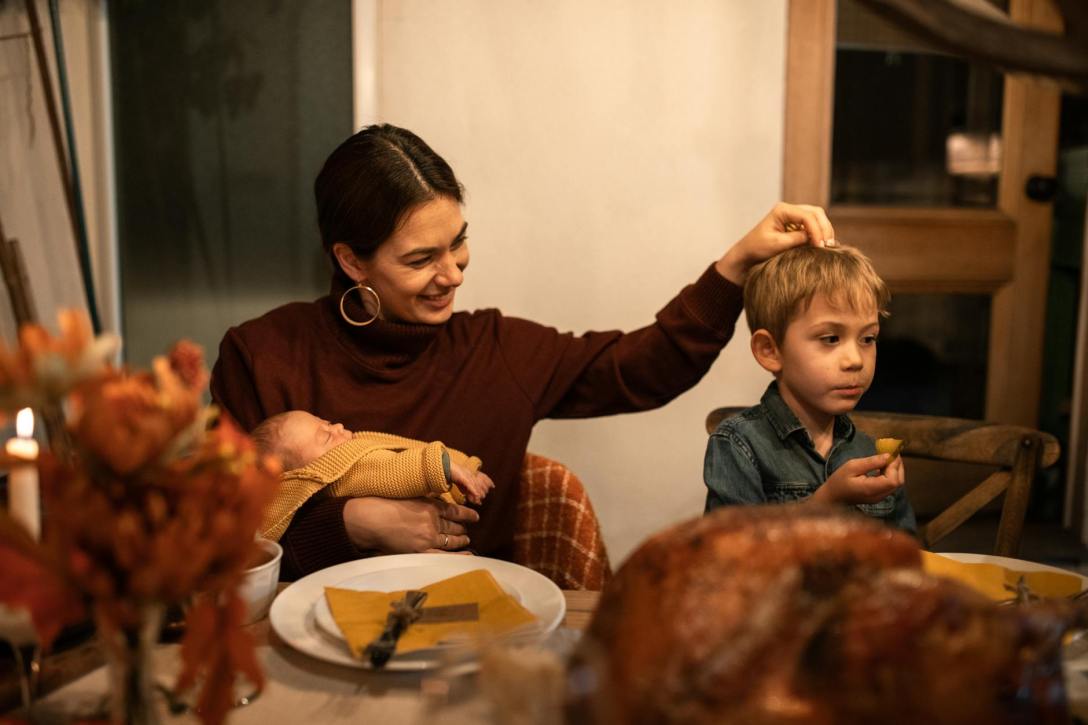
From the moment we are conceived, our parents begin giving. They give their bodies, their time, their energy, their sleep, their dreams. They carry us, feed us, clean us, comfort us, teach us, and protect us. They make sacrifices we may never fully understand. Even when they are imperfect — and all parents are — the sheer magnitude of what they give is staggering.
And yet, in the rush of modern life, it’s easy to forget. We grow up, move out, build careers, start families of our own. We become busy, distracted, preoccupied. Sometimes we carry wounds from childhood, unresolved tensions, or misunderstandings. But even in the most complicated relationships, there remains a truth that cannot be erased: our parents gave us life. They gave us our first breath, our first nourishment, our first glimpse of the world.
To repay that gift is no small task. In fact, it’s said that even if we were to carry our mother on one shoulder and our father on the other for a hundred years — caring for them, feeding them, cleaning them, enduring every hardship — we still would not have repaid them. Even if we gave them the entire world, filled with treasures and riches, it would not be enough.
Why? Because what they gave us is beyond measure. They gave us the foundation of our existence. They gave us the chance to live, to grow, to awaken.
But there is a deeper form of repayment — one that goes beyond physical care or material offerings. If our parents lack spiritual grounding, and we help them find faith… if they struggle with ethical choices, and we guide them toward integrity… if they are closed off, and we inspire generosity… if they are confused or lost, and we help them discover wisdom… then we are offering them something truly transformative. We are not just repaying them — we are uplifting them.
This kind of repayment is not transactional. It’s not about balancing a ledger. It’s about love. It’s about honoring the sacred bond between parent and child. It’s about seeing our parents not just as caregivers, but as fellow human beings — with their own fears, hopes, and potential for growth.
In many spiritual traditions, honoring one’s parents is considered one of the highest virtues. It’s not just a cultural value — it’s a spiritual practice. It teaches us humility, compassion, and reverence. It reminds us that the path of awakening is not separate from the path of relationship. How we treat those who raised us is a reflection of how deeply we understand the teachings of love and truth.
Of course, not all parent-child relationships are easy. Some are marked by pain, neglect, or even harm. In such cases, honoring our parents may look different. It may mean setting boundaries, seeking healing, or offering forgiveness from a distance. But even then, the practice of gratitude can be a powerful force — not to excuse harm, but to acknowledge the complexity of our origins and the humanity of those who brought us into the world.
Living with integrity means remembering. It means not turning away from the people who made our lives possible. It means showing up — not just when it’s convenient, but when it’s hard. It means listening, forgiving, and offering what we can, even if it’s just our presence, our prayers, or our sincere wish for their well-being.
Gratitude is not a one-time act. It’s a way of life. It’s the lens through which we see the world — not as something we own, but as something we’ve been entrusted with. When we live with gratitude, we become stewards of kindness. We become bridges between generations. We become reminders that love is never wasted, and that every act of care ripples outward in ways we may never see.
In the end, integrity is not about grand gestures. It’s about the small, consistent choices we make every day. It’s about how we speak, how we listen, how we remember. And when we live with gratitude — when we truly honor those who gave us life — we become part of a sacred cycle of giving and receiving that sustains the world.





 Wisdom Tea