The Practice of Not Being Carried Away

The Practice of Not Being Carried Away

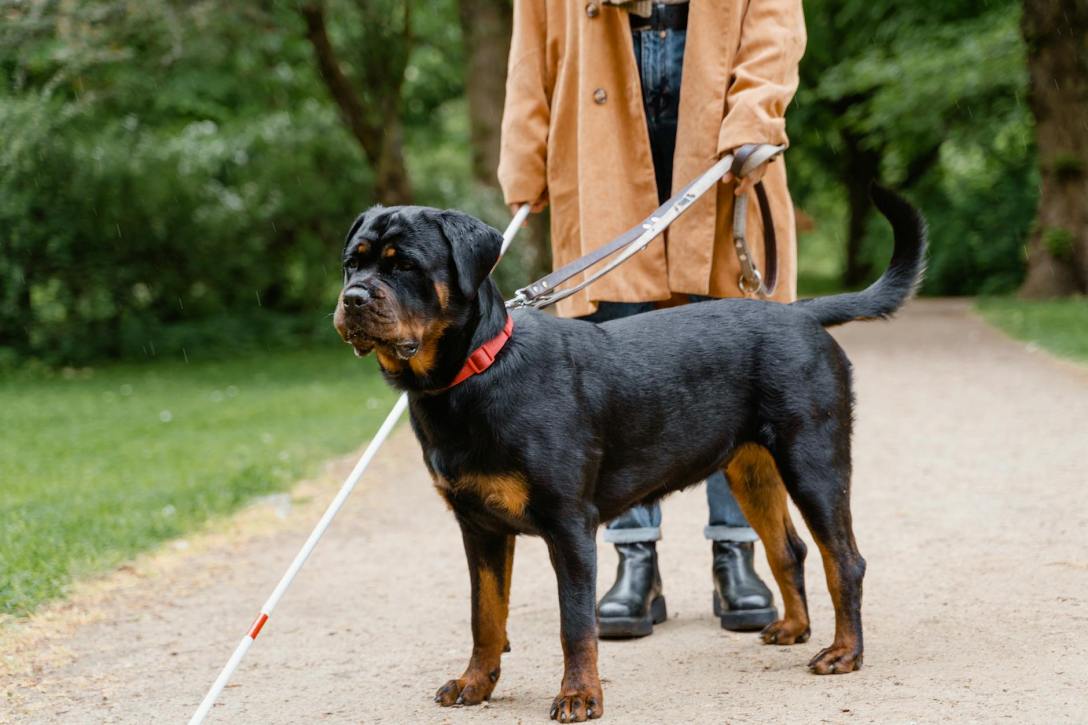
In the Buddha’s time, a king’s elephant was not simply a sign of status or strength. It was a symbol of reliability. On the battlefield, everything was overwhelming—noise, movement, pain, hunger, fear. An elephant that reacted to every sound or sensation could not be trusted. It would panic, freeze, or run. But a well-trained elephant could remain steady in the midst of chaos. Because of that steadiness, it could carry the king safely and serve as a true support for the kingdom.

The Buddha uses this image to point directly to our own minds.

Most of us know what it feels like to be an untrained elephant. A sight appears, and desire immediately follows. A sound arises, and irritation flares. A smell, a taste, a memory, or a bodily sensation pulls the mind away before we even realize what has happened. The world touches the senses, and the mind reacts automatically. We lose balance, not because the experience is overwhelming, but because we have not yet learned how to stay present with it.

This is not a moral failure. It is simply the natural condition of an untrained mind.

The Buddha does not say that the problem is sights, sounds, smells, tastes, or bodily sensations. These are part of being alive. The problem is the loss of steadiness that follows when craving or resistance takes over. When the mind is pulled outward by desire or contracts inward through aversion, it can no longer rest in itself. In those moments, we are carried by our reactions rather than guided by awareness.

Training begins by noticing this movement.

Each time we see something pleasant and feel the tug of wanting, we have an opportunity to pause. Each time we encounter discomfort or irritation, we can feel how quickly the mind tightens and pulls away. This moment of noticing is already a step toward steadiness. We are no longer completely lost in the reaction; awareness has begun to stand its ground.

A trained elephant does not become blind or deaf. It still sees the battlefield and hears the roar of war. In the same way, a trained mind does not numb itself or retreat from life. It feels fully. It simply does not lose itself in what it feels. Pleasure is known as pleasure. Pain is known as pain. Desire is known as desire. None of these have to be suppressed, and none of them need to be obeyed.

This is where true freedom begins.

When we can experience something without immediately chasing it or pushing it away, the mind starts to settle naturally. It becomes less scattered, less reactive. We discover that peace does not depend on perfect conditions. The noise does not have to stop. The discomfort does not have to disappear. What changes is our relationship to experience.

Over time, this steadiness becomes a form of inner strength.

A steady mind is not dramatic or forceful. It is quiet and dependable. It can stay with difficulty without collapsing and enjoy pleasure without clinging. Because of this, it becomes a refuge not only for ourselves but for others as well. People sense when someone is not easily shaken. Such a presence offers safety, patience, and clarity in a world that often feels unstable.

The Buddha describes this as becoming a “field of merit,” not because of status or words, but because a steady mind naturally supports goodness. Actions that arise from mindfulness tend to be kinder, wiser, and less harmful. When the mind is not constantly being dragged around by the senses, compassion has space to appear.

Training the mind in this way does not happen all at once. It happens in ordinary moments. When we eat, can we taste without grasping? When we hear criticism, can we feel the sting without immediately reacting? When we feel tired, hungry, or uncomfortable, can we stay present instead of becoming overwhelmed?

Each of these moments is part of the training.

Little by little, the mind learns to trust itself. Like the royal elephant, it becomes something steady enough to carry what matters most. Not power or control, but clarity, compassion, and freedom.

When the senses are no longer masters and no longer enemies, the mind can stand firmly in the middle. From that place, the path becomes clear—not as an escape from the world, but as a way of meeting it with wisdom and care.

Link: https://wisdomtea.org/2026/01/08/the-practice-of-not-being-carried-away/

At the Turning of the Year

At the Turning of the Year

The turning of the year is not a leap but a pause. Between the last moment of what has been and the first moment of what will be, there is a quiet interval that often goes unnoticed. In this pause, nothing needs to be achieved and nothing needs to be corrected. It is simply a space in which awareness can rest.

This threshold reveals something essential about impermanence. What we call the old year is already dissolving, not because we reject it, but because all conditioned things naturally pass away. The new year does not arrive as a command or a reward. It arrives because conditions continue to unfold. To sense this unfolding directly is already a form of understanding.

When we allow ourselves to linger briefly in this pause, time loosens its grip. The mind releases its urgency and becomes available to what is here. In such stillness, practice quietly begins again.

As the year comes to a close, memory gathers its images. Moments of joy return, along with moments of confusion or regret. The mind arranges these into stories of success and failure, progress and falling behind. Yet seen through the Dharma, nothing that has passed is truly lost.

Each experience has already performed its function. Even mistakes have shaped discernment. Even pain has deepened sensitivity. Causes have given rise to effects, and those effects now live on as understanding, habits, and capacities. The past survives not as a burden, but as condition.

To reflect wisely is not to accuse or praise oneself, but to see clearly what has arisen and what has ceased. When reflection is joined with compassion, it becomes a bow rather than a judgment. The past no longer demands correction. It asks only to be understood and gently released.

The arrival of a new year often carries the weight of expectation. We tell ourselves that this time we must improve, become better, fix what is lacking. Yet in the Dharma, intention is not a contract imposed on the future. It is the subtle leaning of the heart toward what is wholesome.

To begin again does not mean erasing what came before. It means meeting this moment without the burden of self-blame. Each breath already begins anew. Each step stands at the threshold of the path.

A skillful intention is light. It does not demand perfection or constant success. It orients the mind toward clarity and kindness, again and again. Like a compass, it does not force movement but quietly indicates direction.

Much of our unease at the turning of the year comes from holding too tightly. We cling to how things were, or to how we wish they had gone. We cling to images of how the future should unfold. This holding, subtle or strong, creates strain.

The Dharma points toward another way: intimacy without possession. To care deeply while allowing change. To participate fully without trying to freeze life in place. When grasping loosens, experience is allowed to move as it naturally does.

Joy arises and passes. Difficulty arises and passes. Nothing needs to be secured in order to be meaningful. When we release our tight grip on time and outcome, a quiet ease appears. Life no longer has to obey our preferences in order to be met with openness.

Gratitude, in the Buddhist sense, is not forced appreciation or optimistic thinking. It is a form of clear seeing. When awareness deepens, the web of conditions supporting each moment becomes visible.

This life is sustained by countless causes: the labor of others, the patience of the natural world, the kindness that appears unexpectedly, the endurance of the body, the wisdom preserved in teachings passed down through generations. Even difficulties arise through conditions not chosen or controlled.

To recognize this interdependence naturally gives rise to gratitude. Not because everything was pleasant, but because nothing existed in isolation. Gratitude becomes an acknowledgment of connection rather than a judgment about how things should have been.

From such seeing, the heart softens. Generosity and care arise without effort, flowing naturally into the days ahead.

Rather than viewing the coming year as a project to complete, the Dharma invites us to see it as a field in which practice unfolds. Every situation becomes a place of learning. Every reaction reveals something to be understood.

Practice does not wait for ideal conditions. It lives in conversation, in waiting, in fatigue, in small choices repeated again and again. Ordinary life is not separate from the path; it is the path itself when met with awareness.

When mindfulness is present, even simple actions carry depth. Walking, listening, pausing before speaking — these become expressions of understanding. Nothing extra needs to be added to make life meaningful. Attention itself transforms experience.

The future cannot be mastered, only met. No matter how carefully we plan, conditions shift. Expectations loosen. Directions change. This uncertainty is not a failure of effort but a reflection of dependent arising.

Trust, in the Buddhist sense, is not blind belief. It is confidence in the lawfulness of change and in our capacity to respond with awareness. When we trust the unfolding of causes and conditions, we stop demanding guarantees and begin cultivating presence.

Each moment carries its own instruction. Each difficulty contains the seed of understanding. Each ending prepares the ground for something not yet known.

As the year begins, a simple dedication may arise, not as a rigid vow but as a gentle orientation of the heart. It does not bind the future; it blesses the present.

May awareness grow where confusion once lived.
May kindness guide speech and action.
May patience deepen in moments of difficulty.
May wisdom mature through lived experience.
May this life, just as it is, serve the easing of suffering.

In this spirit, the New Year begins not with ambition, but with practice. Not with control, but with care. Each moment becomes both path and destination, teacher and teaching.

The year turns. The breath continues. The way opens exactly where one stands.

Link: https://wisdomtea.org/2026/01/01/at-the-turning-of-the-year/