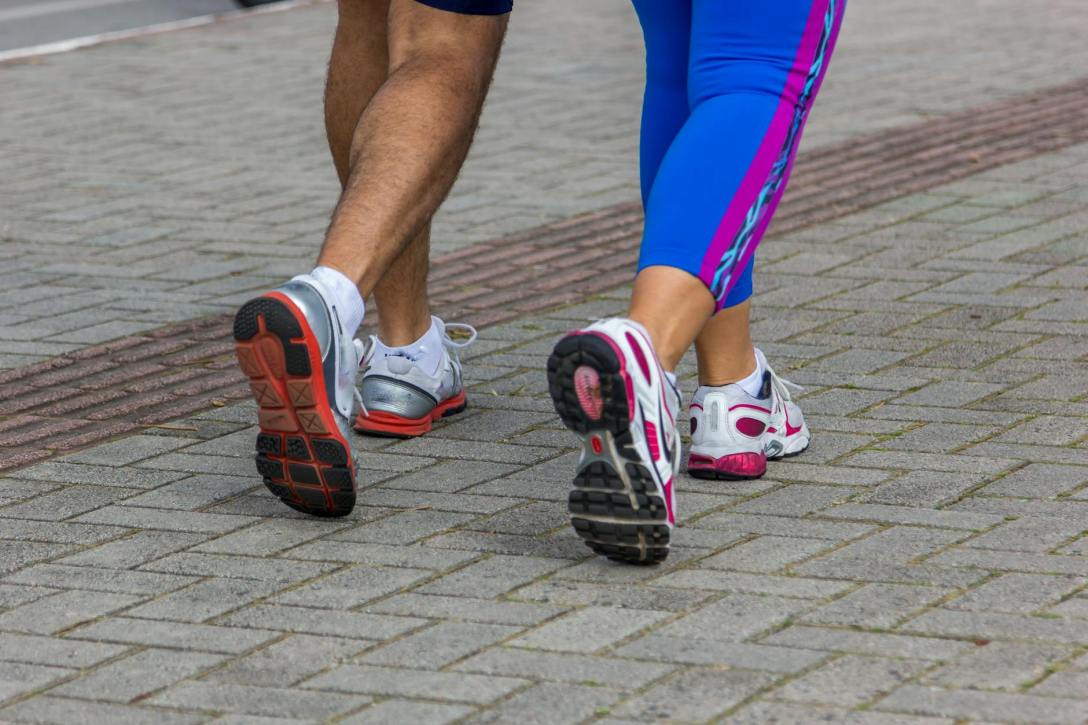
Walking is a simple act, yet it carries many benefits that gradually reveal themselves through regular practice. By walking, the body is kept awake and responsive. Strength develops without harshness, endurance grows without strain, and the body becomes capable of traveling long distances with ease. The joints are nourished through movement, stiffness softens, and balance improves, helping the body remain steady and upright over time. Through walking, the body learns how to support itself naturally.
Walking also encourages healthy circulation and breath. As the feet meet the ground again and again, blood and oxygen move freely throughout the body, warming the limbs and refreshing the organs. The breath deepens and settles into a natural rhythm, neither forced nor shallow. This harmony between movement and breathing restores vitality and gently lifts fatigue, making the body feel lighter rather than burdened.
Regular walking supports digestion and overall physical well-being. Food and drink are processed smoothly, discomfort is reduced, and the body is better able to receive nourishment. Energy is distributed evenly rather than pooling as heaviness or restlessness. Over time, the body becomes more resilient, illness arises less frequently, and recovery happens more easily when imbalance does occur.
Walking strengthens effort without aggression. Each step trains perseverance, teaching how to continue without pushing or collapsing. Walking shows that steady progress does not require haste, and that consistency is more powerful than force. Through this, one learns how to sustain effort in work, study, and daily responsibilities, developing a calm determination that does not burn out.
The mind benefits deeply from walking. As attention settles into the rhythm of steps, scattered thoughts lose their urgency. The mind becomes less crowded, less reactive, and more spacious. Walking gives the restless mind somewhere gentle to land, allowing clarity to arise naturally. This mental steadiness often continues long after walking has ended, shaping how one meets conversations, challenges, and moments of silence.
Emotional balance is also cultivated through walking. Tension held in the body gradually releases, and emotions that feel heavy or tangled are given room to move and soften. Walking creates a quiet space where feelings can be felt without being overwhelmed by them. Grief, stress, or agitation often loosen through steady movement, replaced by a sense of grounded calm.
Walking encourages mindfulness in ordinary life. Each step offers an opportunity to return to the present moment—to feel the ground beneath the feet, the movement of the body, and the flow of the breath. This awareness gently interrupts habitual distraction and brings attention back to what is happening now. Over time, presence becomes more natural, extending beyond walking into standing, sitting, and resting.
Through walking, one reconnects with the world. Whether moving indoors or outdoors, walking opens awareness to light, space, sound, and the changing conditions of the environment. This connection reduces feelings of isolation and reminds us that we move within a larger living world, supported by the earth beneath our feet.
Walking also cultivates patience and humility. Progress happens step by step, moment by moment, with no shortcut available. This teaches acceptance of gradual growth and respect for small efforts. Walking reminds us that the path is not separate from the act of walking itself; each step is already an arrival.
In time, walking becomes more than movement. It becomes a teacher of balance, resilience, and simplicity. Without elaborate techniques or special conditions, walking offers a reliable way to care for the body, steady the mind, and soften the heart. By returning again and again to the simple act of placing one foot in front of the other, ease and clarity naturally arise.
Thus, walking is not merely a means of getting somewhere. It is a practice of well-being, a quiet training in awareness, and a reminder that peace is found not by striving elsewhere, but by meeting each step fully, just as it is.
 Wisdom Tea